The recent adjudication of Britain’s Turner Prize to some Liverpool houses regenerated through neighborhood participation by a young collective known as Assemble speaks not only volumes about the state of contemporary art, but also about the state of contemporary architecture. For this is the first time in its history that this art prize, awarded by the Tate Gallery, goes to a work of ‘non-art’; specifically a work of architecture. But not exactly the kind of architecture that wins Pritzker Prizes, either.
Like all prizes, this one sends a message, and the message this time around couldn’t be louder and clearer: contemporary visual art has become decadent, its market excesses increasingly linked to growing problems such as inequality and privatization; largely the causes of neighborhood degeneration everywhere. The fact that a young architectural collective has beaten out highly qualified visual artists must surely be a slap in the face to the entire art world.
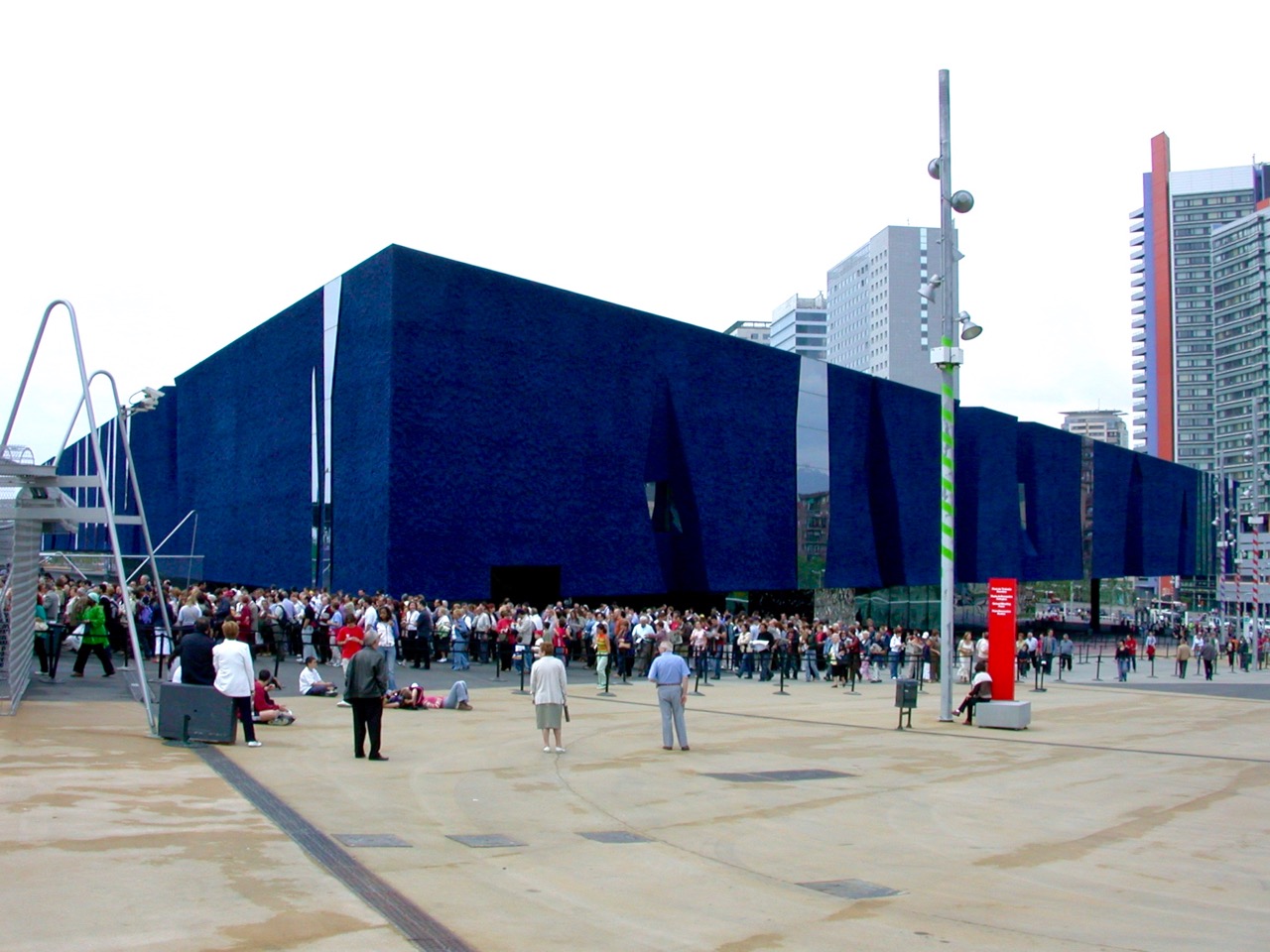
But the architecture world cannot claim victory either. It has been cozying up to the art-world for too long, as epitomized by Pritzker Prize winners Herzog and de Meuron, the art world’s favorite architects. Nor is it a vote for the growing number of young ‘artist-architects’ that seek refuge within the gallery space, eschewing the notion of architecture as the design of buildings –or their modification, as is the case here– to meet the needs of ordinary people.
Architecture’s natural habitat is the street, not the gallery space. The message from this year’s Turner Prize should be heeded, above all, by architects who fancy themselves to be ‘artists’, so that architecture can perhaps begin to seek inspiration from its own discipline for once; from buildings and their occupants, from cities and their neighborhoods, and especially from the very thing that differentiates architecture from art in the first place: use.
 Criticalista