[Originally published in Heide Wessely and Sandra Hofmeister, editors: Barcelona: Urban Architecture and Community Since 2010. Munich: Edition DETAIL, 2023]
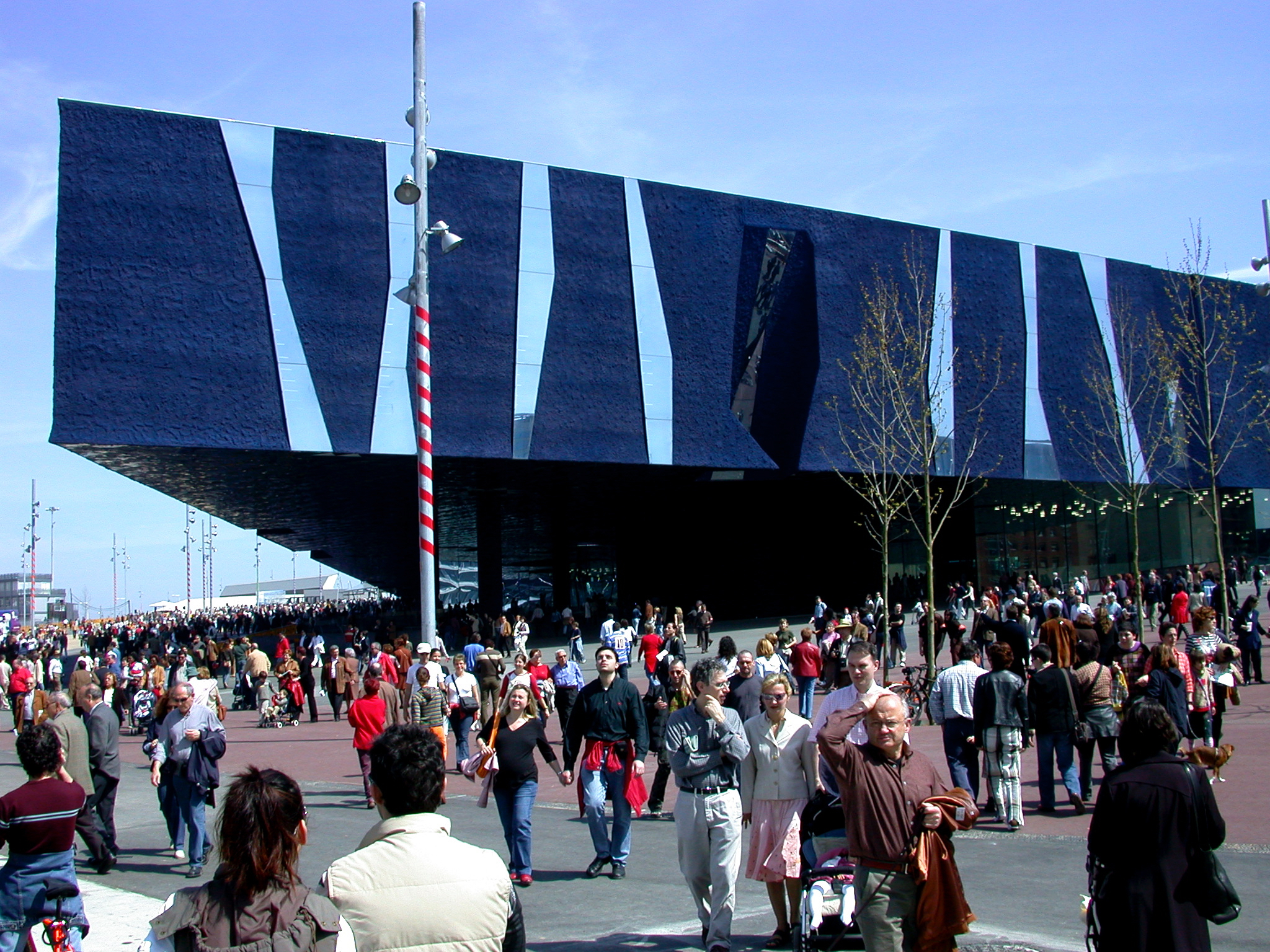
Barcelona has a remarkable history of staging global events. The 1888 and 1929 World’s Fairs, the 1992 Olympic Games, and the 2004 Forum of Cultures have not only brought the city international renown but have also served as pretexts to transform the city bit by bit. The Olympics was the most ambitious, involving the refurbishment of no less than four urban areas: a success story that led to the coining of a “Barcelona Model” of urban transformation, and the awarding of a RIBA Gold Medal in 1999 to a city rather than an architect. But is this model still relevant today?
In the late 1970s, when Barcelona first considered making a bid for the 1992 Summer Olympics, Spain was still recovering from the Franco dictatorship, a period of uncontrolled urban growth and little attention paid to public services and infrastructure. Hosting the most global event of all, it was hoped, would provide the necessary impulse to modernise and transform the city. Architect Oriol Bohigas, the urbanism coordinator under Narcís Serra, Barcelona’s first socialist mayor since the restoration of democracy, launched a programme of public space improvements that set out to “clean up the centre and monumentalise the periphery,” dignifying bland 1960s and 70s housing developments with urban design and public art while restoring a historical core that had fallen prey to social problems associated with drugs and unemployment. Bohigas’s highly localised approach, which he termed “urban projects,” involved surgical interventions that were respectful of the diverse typo-morphological realities of the city. These reconstruction projects, carried out on a shoestring by a cash-strapped city council, incorporated the rejuvenation of run-down public squares with the construction of new neighbourhood facilities such as schools and libraries. In many cases these public spaces were often (re)built in the form of decks covering new or existing transportation infrastructure, resulting in plazas duras or hard squares that generated much criticism among citizens. Another critic of Barcelona’s pre-Olympic transformation was none other than Rem Koolhaas, who wrote in his 1995 essay titled The Generic City “Sometimes an old, singular city, like Barcelona, by oversimplifying its identity, turns Generic. It becomes transparent, like a logo.” The criticism continues in his Junkspace essay of 2001: “Through Junkspace old aura is transfused with new lustre to spawn sudden commercial viability: Barcelona amalgamated with the Olympics.”
After being awarded the Olympic Games in 1986, Barcelona’s urban plans grew in scale and urgency. In 1987, architect Joan Busquets, in charge of urban planning for the Barcelona city council, developed a plan identifying 12 strategic “areas of new centrality” to be reconstructed throughout the periphery. Four of these would be sites for Olympic venues connected by a new sunken beltway, the Ronda. The Olympic Port and Athletes’ Village, the largest of the four venues, was planned for a waterfront industrial site whose factories, rail tracks, and shantytowns had made the city’s beaches inaccessible. The much-publicised intention to “open the city to the sea” can be credited with building citizen consensus overwhelmingly in favour of hosting the Olympics, with volunteers signing up in unprecedented numbers…
[Please buy the book here to read the rest of the text]

 Criticalista